

LiDAR Scanning and As-Built Documentation for the Historic Liberty Theater in Astoria, Oregon
Project Description
Historic Theater LiDAR Scanning Services in Astoria, Oregon
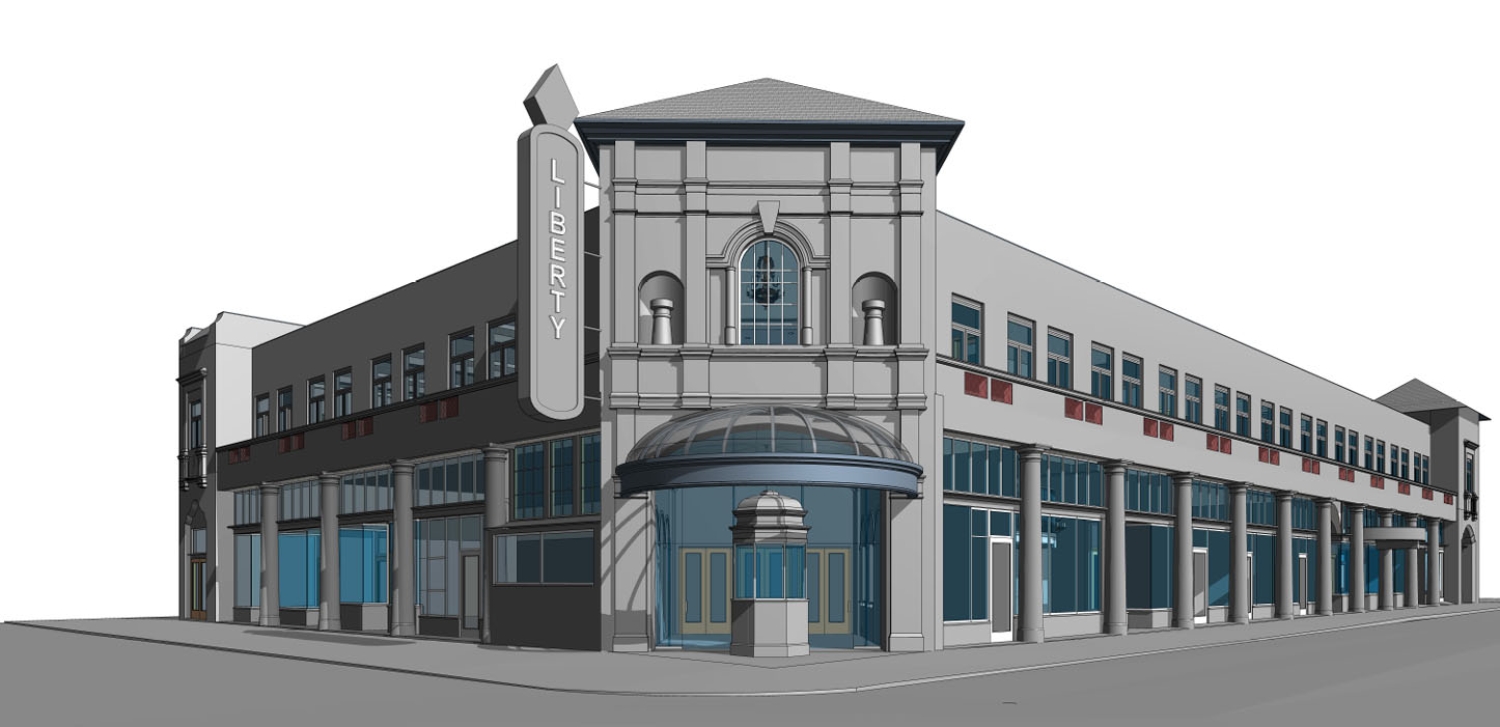
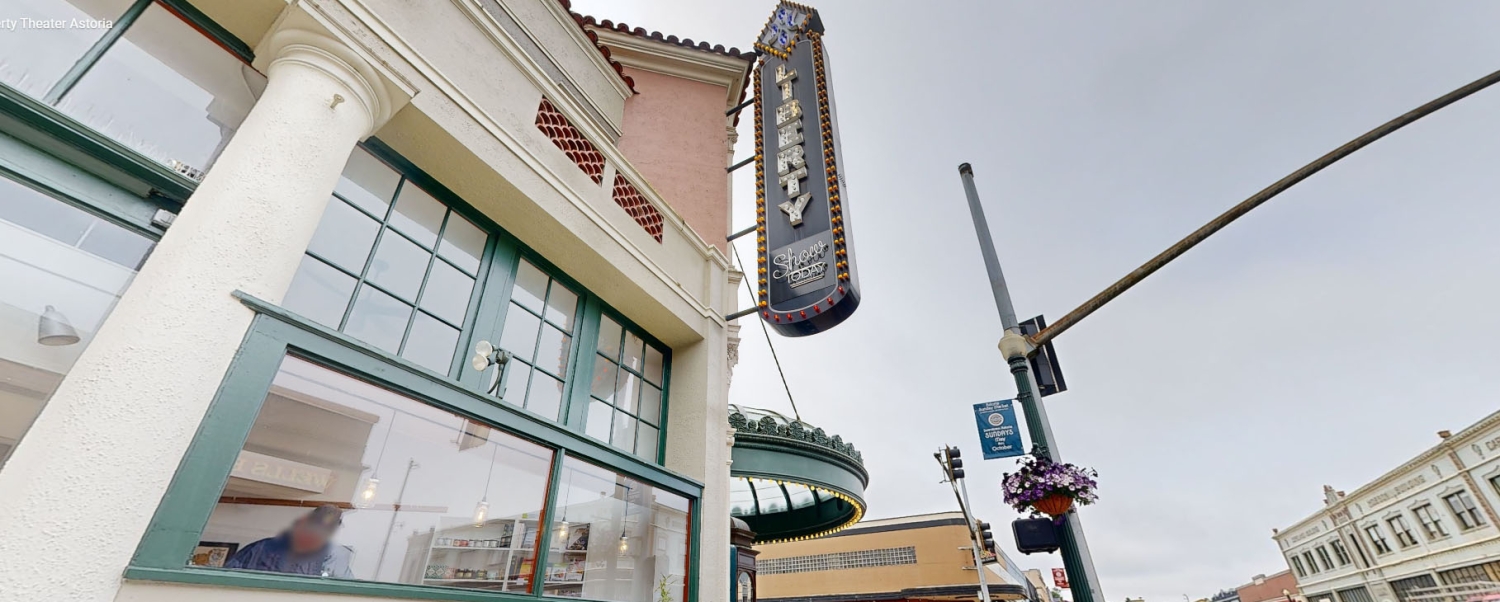
Historic buildings present unique challenges for architects, engineers, and construction professionals. Accurate documentation is critical when planning renovations, restorations, facility upgrades, or preservation efforts. Scan Skunks recently completed a comprehensive Astoria, Oregon LiDAR scanning and as-built documentation project for the historic Liberty Theater and its supporting spaces in Astoria, Oregon.
The project involved capturing approximately 30,000 square feet of interior space during a one-day field visit. Scan Skunks worked with Rickenbach Construction to provide highly accurate existing conditions documentation that would support future planning, design, and construction efforts within the historic facility.
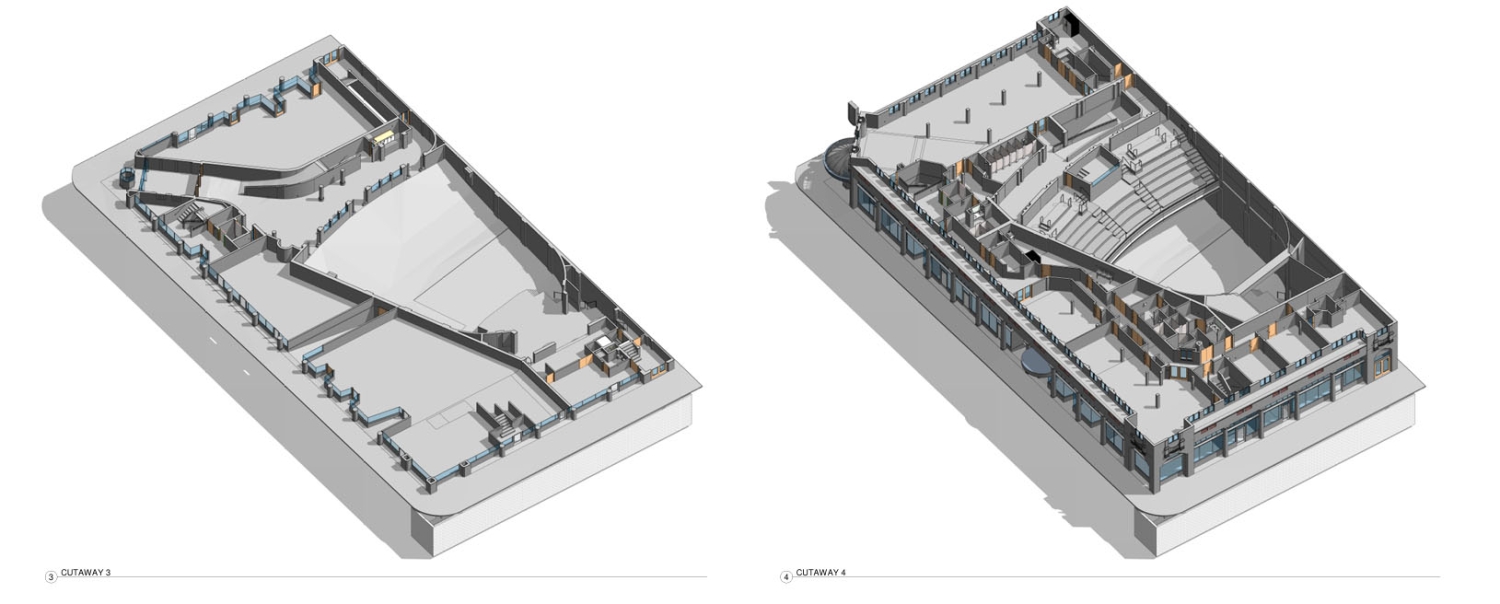
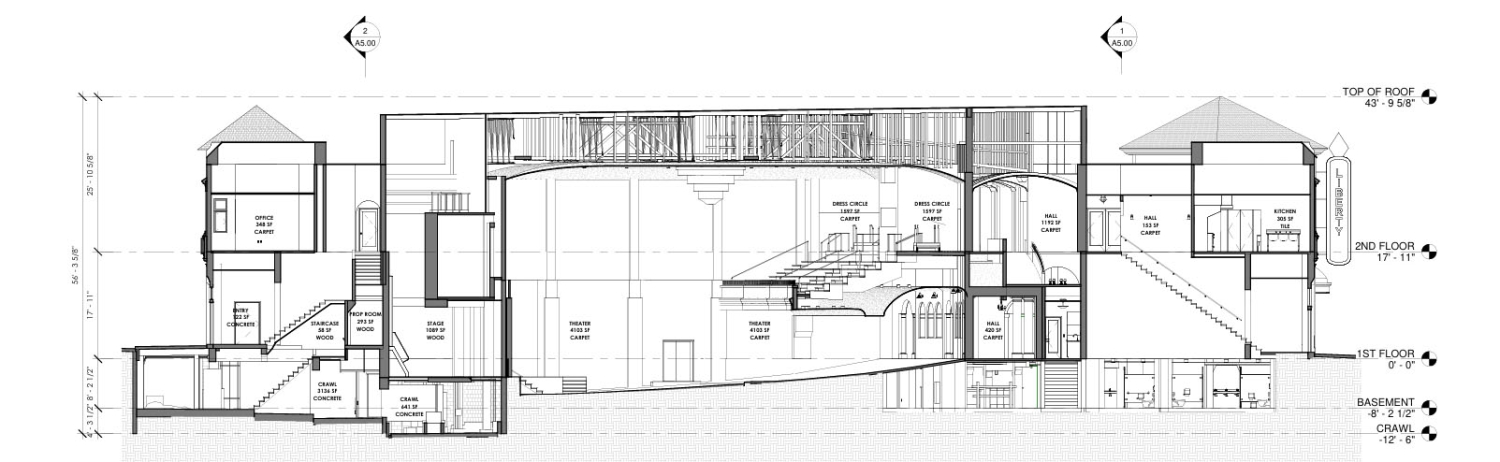
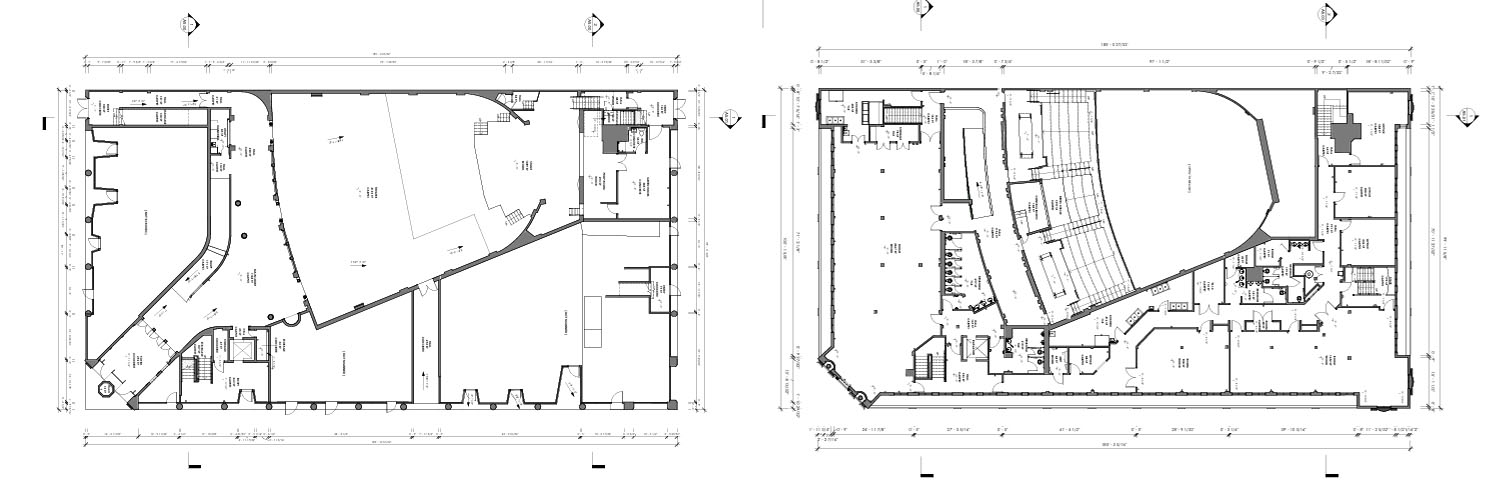
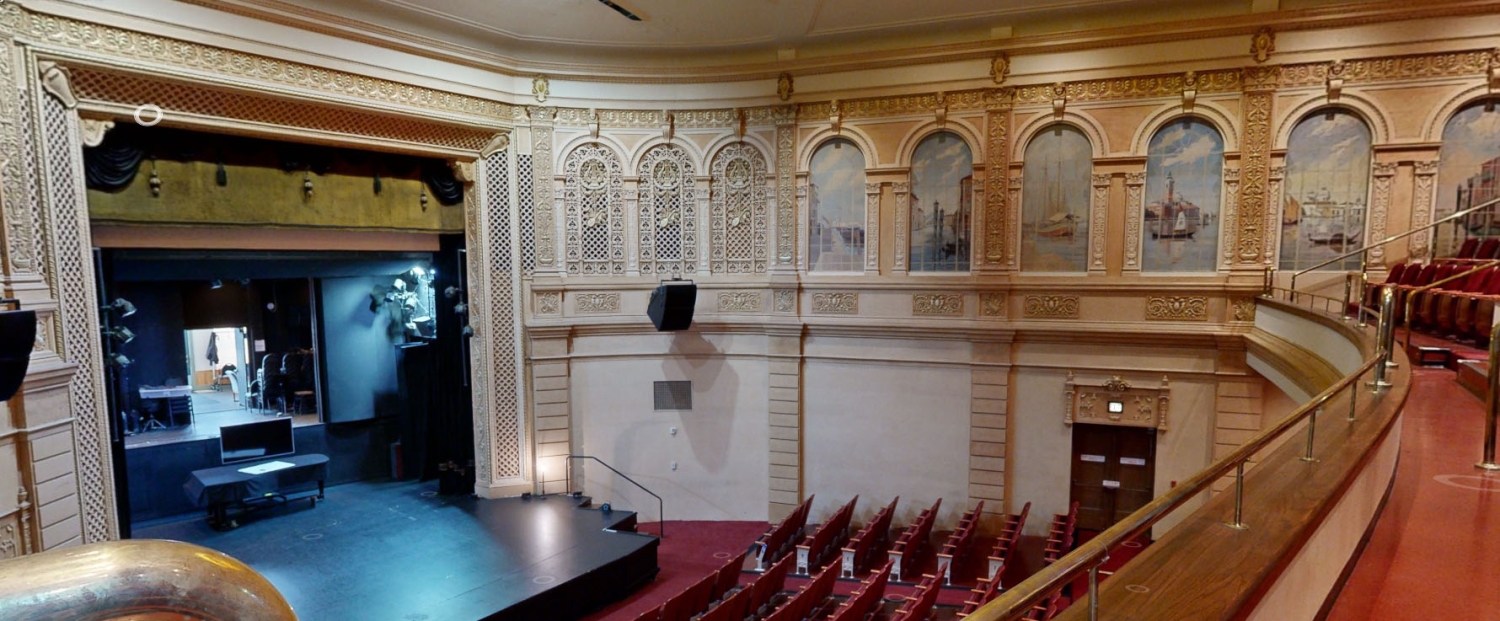
Using advanced terrestrial LiDAR scanning technology, our team documented the entire building, including difficult-to-access areas such as the basement, performance spaces, elevated catwalks, administrative offices, and supporting back-of-house areas. The resulting data provided a complete digital representation of the structure and its architectural features.
Capturing Complex Historic Spaces with LiDAR Technology
Historic theaters often contain intricate architectural elements, multiple floor elevations, concealed support spaces, and specialized performance infrastructure that can be difficult to measure using traditional methods. The Liberty Theater was no exception.
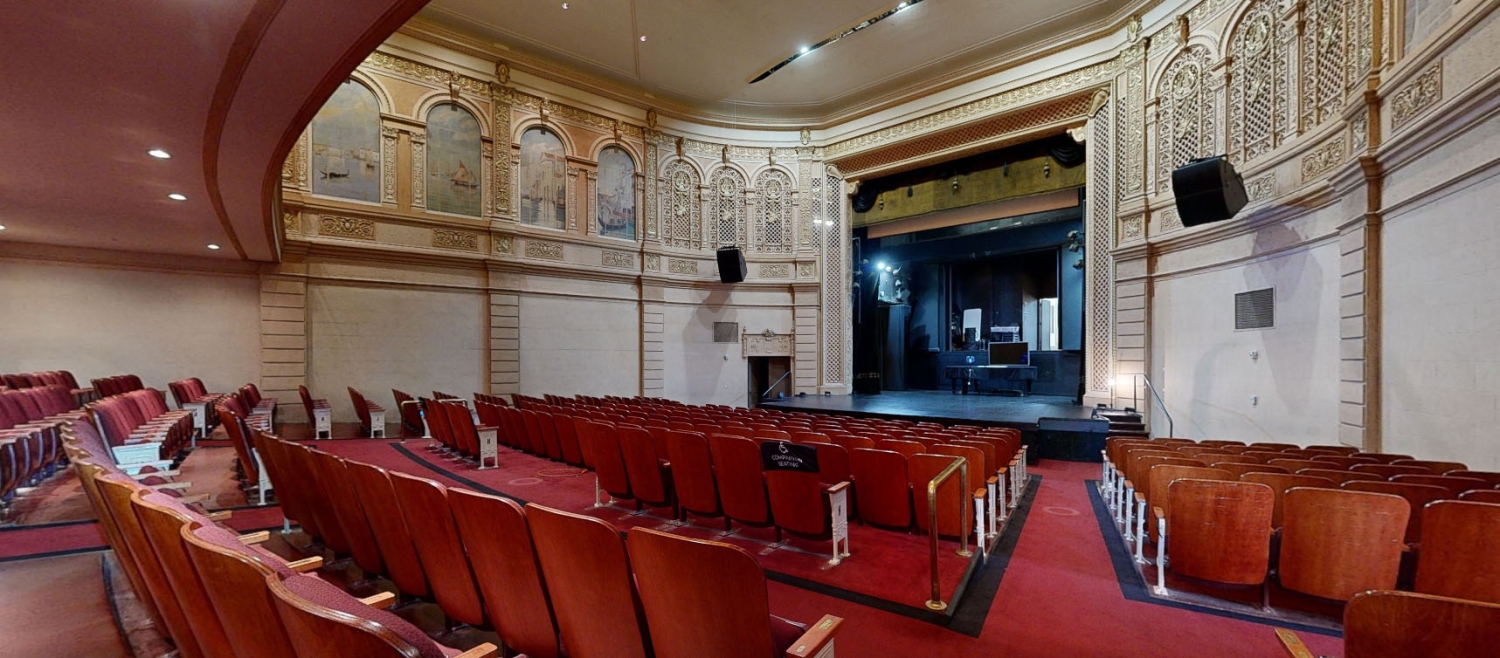
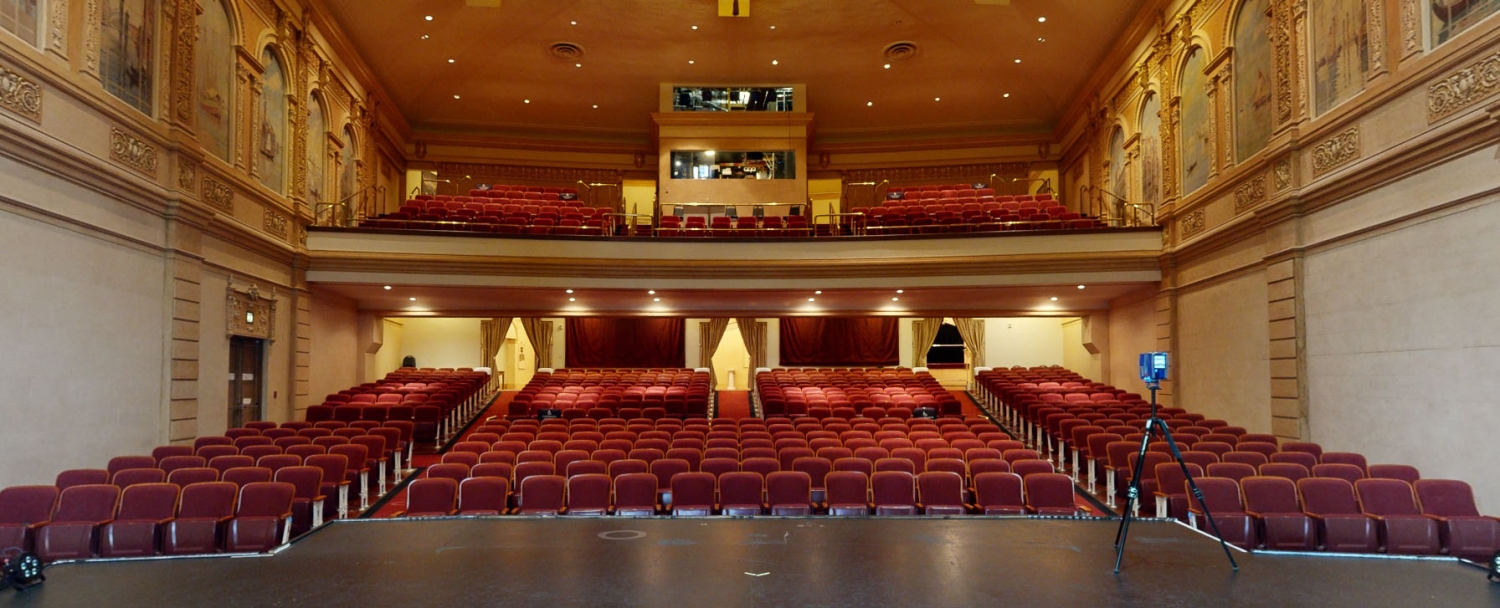
The project required detailed documentation of several critical areas throughout the facility. The main performance venue included stage areas, seating sections, circulation paths, and architectural details that are important for renovation planning. Above the performance space, elevated catwalk systems required careful scanning to accurately capture their position and relationship to the stage below.
The basement level presented another important area for documentation. Mechanical systems, structural elements, and support spaces located below grade can significantly impact future renovation work. By utilizing LiDAR scanning technology, Scan Skunks was able to rapidly capture these areas with a level of accuracy that would be difficult to achieve through manual field measurements alone.
Administrative offices and supporting spaces throughout the facility were also included in the scanning scope. Capturing these spaces ensures that architects and construction teams have a complete understanding of the building's layout when developing future design solutions.
One-Day LiDAR Scanning of a 30,000-Square-Foot Historic Building
Efficiency is one of the major advantages of modern LiDAR scanning technology. Despite the size and complexity of the Liberty Theater, Scan Skunks completed the field data collection during a single day on site.
Traditional measurement methods for a building of this size could require multiple site visits and extensive manual verification. LiDAR scanning allows millions of measurement points to be collected in a matter of hours, creating an accurate digital record of existing conditions.
The ability to complete fieldwork quickly is especially valuable for active facilities and historic properties where access may be limited. By minimizing time spent on site, Scan Skunks helped streamline the documentation process while still providing highly detailed deliverables.
Supporting Historic Preservation and Renovation Planning
Historic structures require careful planning when modifications or upgrades are proposed. Existing drawings are often outdated, incomplete, or unavailable altogether. Accurate as-built information becomes essential when developing renovation strategies that preserve the character of the building while accommodating modern requirements.
The Liberty Theater contains numerous architectural and structural elements that benefit from precise digital documentation. From performance areas and support spaces to elevated catwalk systems and basement infrastructure, every component contributes to the overall functionality of the facility.
LiDAR scanning provides architects and construction professionals with dependable existing conditions data that reduces uncertainty during design development. Accurate measurements help minimize conflicts, improve coordination, and support informed decision-making throughout the project lifecycle.
For historic facilities, preserving architectural integrity while introducing modern improvements requires a clear understanding of existing conditions. Digital documentation serves as the foundation for that process.
Deliverables Provided by Scan Skunks
Following completion of the field scanning, Scan Skunks processed the collected point cloud data and generated a comprehensive package of deliverables tailored to the project team's needs.
The project deliverables included a high-resolution 3D LiDAR scan dataset that captures the existing conditions of the entire facility. This digital representation provides a permanent record of the building and serves as the foundation for future modeling and design work.
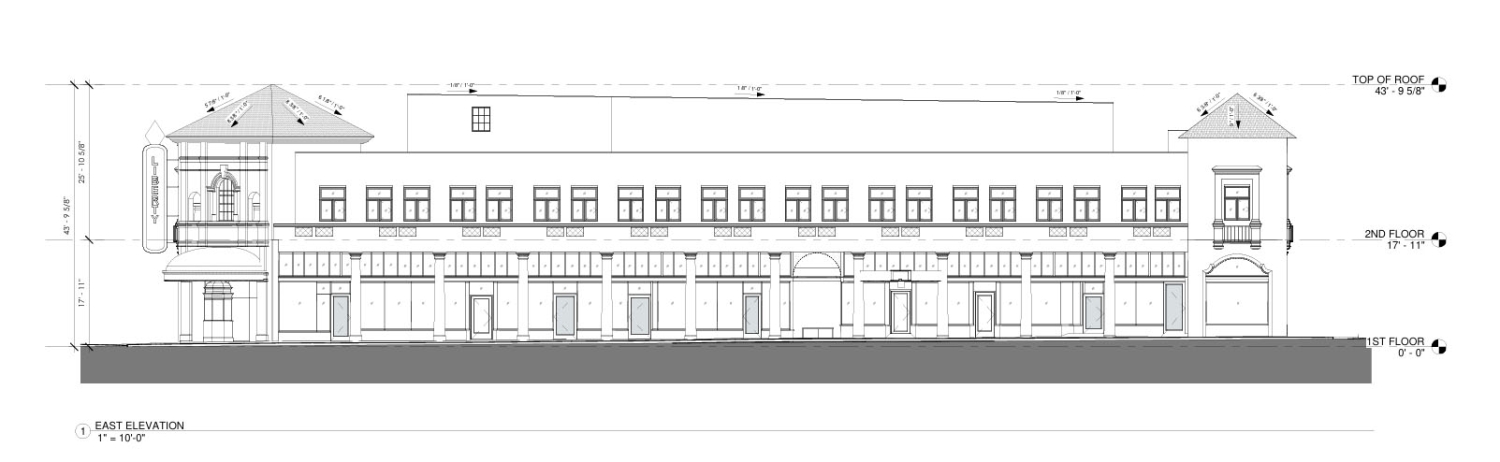
A fully developed 3D Revit model was created to support Building Information Modeling (BIM) workflows. The model enables design teams to coordinate future renovations with confidence while providing a digital environment for planning, visualization, and clash detection.
In addition, Scan Skunks delivered a virtual tour of the property, allowing project stakeholders to remotely explore the facility and review existing conditions without returning to the site. Virtual tours have become an increasingly valuable resource for project teams working across multiple locations.
Why Architects and Contractors Choose Scan Skunks
Architects, construction managers, developers, and property owners rely on Scan Skunks for accurate existing conditions documentation across the United States. Our team specializes in capturing complex structures, historic buildings, theaters, commercial properties, educational facilities, industrial sites, and adaptive reuse projects. For the Liberty Theater project in Astoria, Oregon, our combination of advanced LiDAR technology, efficient field operations, and BIM expertise provided Rickenbach Construction with a reliable digital foundation for future planning and design efforts.
Whether documenting historic landmarks, performing arts venues, commercial facilities, or large-scale renovation projects, Scan Skunks delivers accurate data that helps teams reduce risk, improve coordination, and make informed project decisions from the very beginning.