

LiDAR Scanning Services for a 40,000 Square Foot Vacant Movie Theater Near Atlanta, GA
Project Description
When developers and architects begin planning the redevelopment of an existing commercial property, accurate existing conditions documentation becomes one of the most important components of the project. Scan Skunks recently completed a comprehensive LiDAR scanning and as-built documentation project for a 40,000-square-foot vacant movie theater located outside Atlanta, Georgia. The theater had remained vacant since its last operation in 2022 and was being evaluated for future redevelopment opportunities.
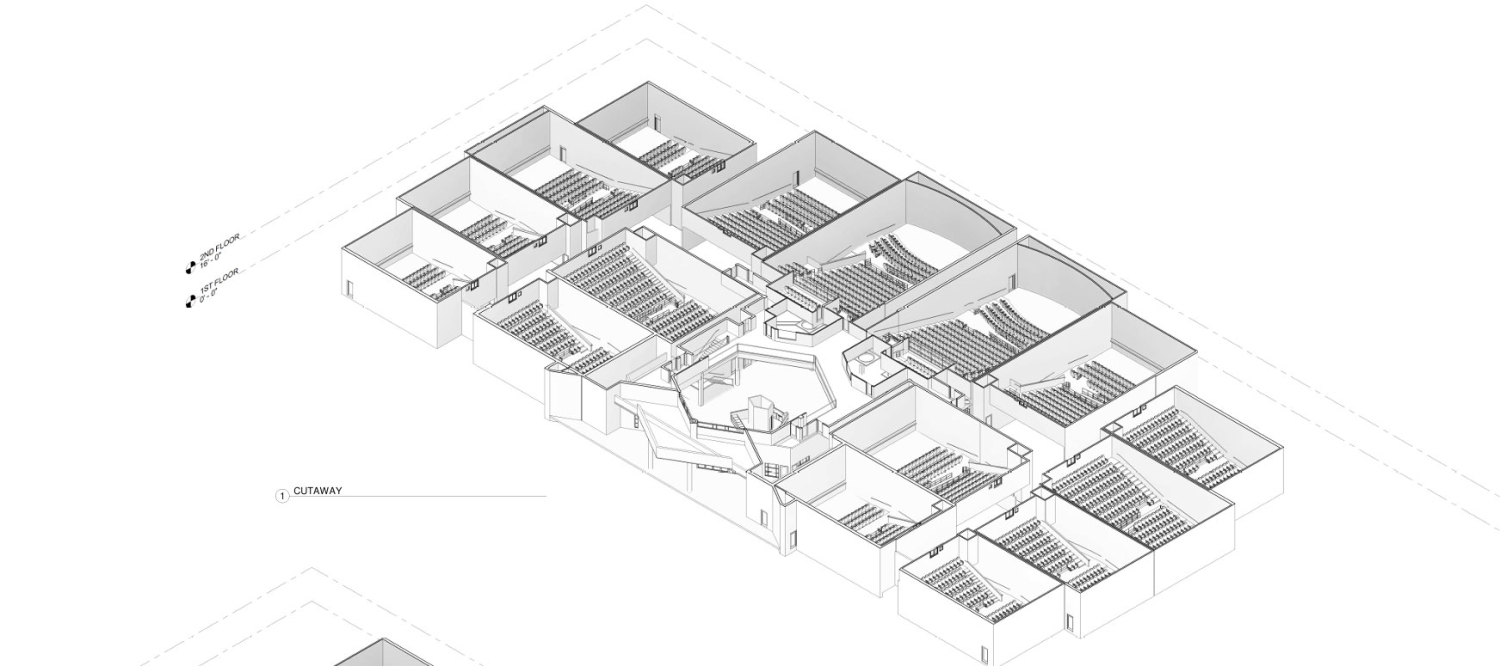
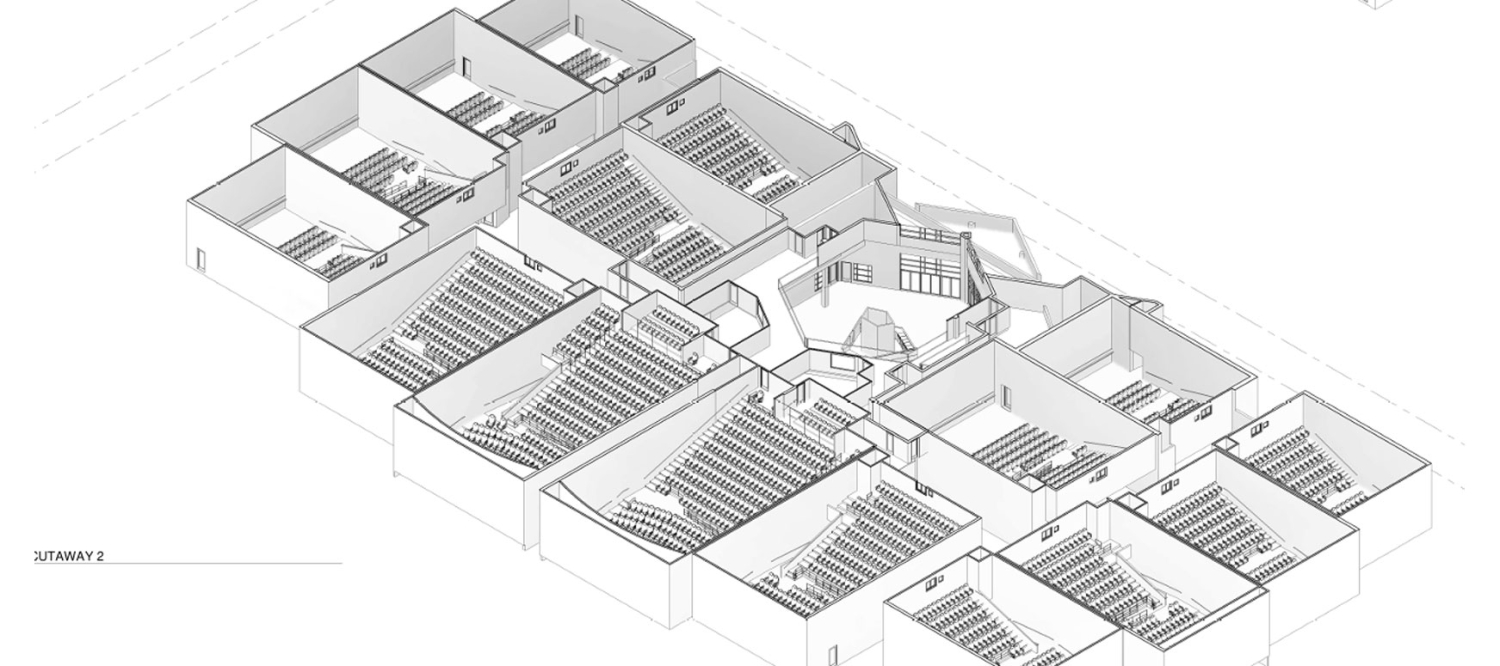
Over a two-day field effort, our team captured detailed reality-capture data throughout the facility, creating a highly accurate digital representation of the property. The final deliverables included a complete 3D Revit model, 2D floor plans, building sections, elevations, and reflected ceiling plans (RCPs) to support design and planning efforts for the property's next phase of life.
Repurposing Existing Commercial Spaces Requires Accurate Data
Adaptive reuse projects continue to gain popularity throughout the Atlanta As-Built Modeling metropolitan area as developers seek to maximize the value of existing structures. Large-format entertainment venues such as movie theaters present unique opportunities for redevelopment due to their expansive floor plans, high ceilings, and existing infrastructure.
Before any design work can begin, architects and engineers require a detailed understanding of the existing building conditions. Original construction drawings are often incomplete, outdated, or unavailable altogether. Renovations completed over the years may not have been documented, creating challenges for project teams attempting to understand the current layout.
For this project, the developer needed reliable existing conditions information that would allow future tenants and design teams to evaluate how potential uses could fit within the theater footprint. By utilizing terrestrial LiDAR scanning, Scan Skunks was able to provide an accurate digital foundation for future planning efforts.
Capturing 16 Individual Theaters and Connecting Hallways
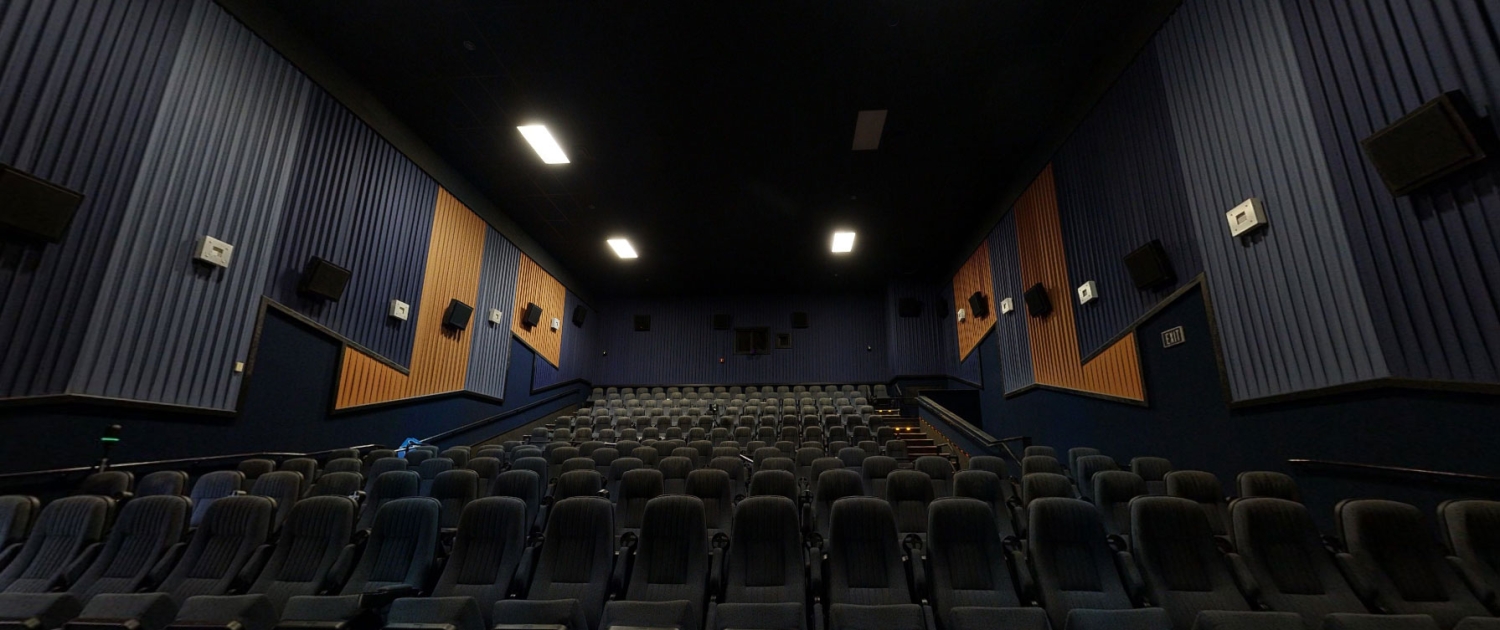
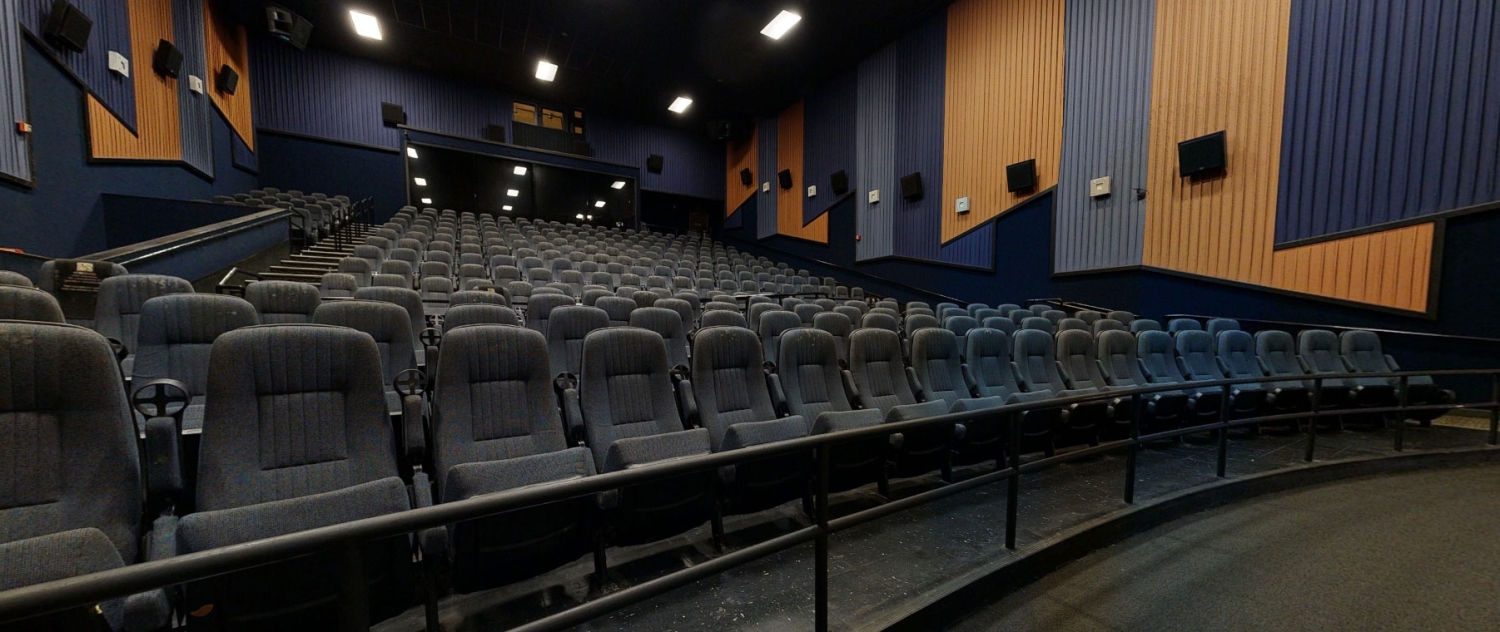
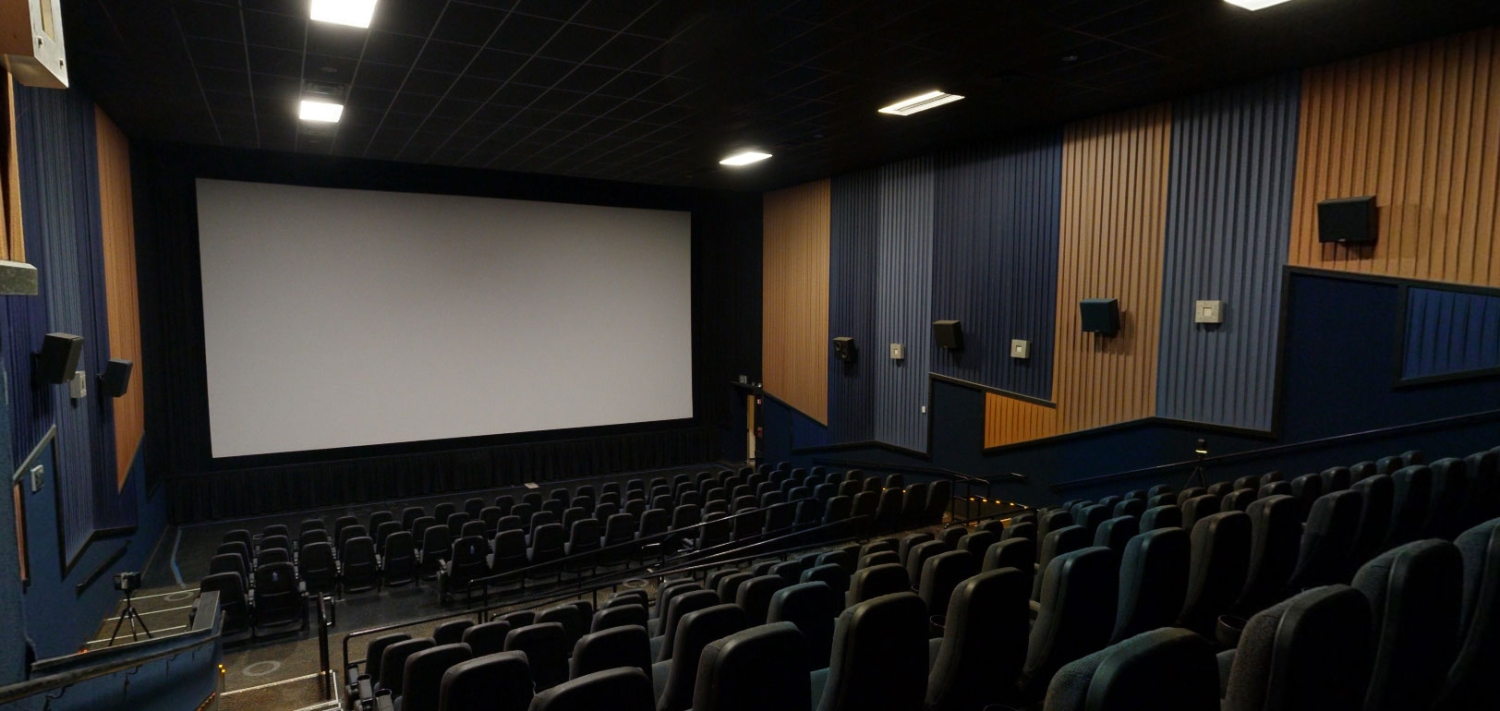
The vacant theater consisted of 16 individual screening rooms, multiple connecting corridors, lobby spaces, support areas, and back-of-house facilities. Capturing the entire facility required a strategic scanning approach to ensure all areas were properly connected and registered within a single coordinate system.
Movie theaters present unique scanning challenges due to varying floor elevations, stepped seating arrangements, dark interior finishes, and large enclosed spaces. Our technicians carefully positioned scanning equipment throughout each theater to capture every seating area, wall surface, ceiling condition, and structural feature.
The hallways connecting the theaters were equally important to document. These circulation spaces serve as critical transition areas and often contain architectural elements, utilities, and mechanical systems that impact future redevelopment plans.
Throughout the two-day project, Scan Skunks systematically captured millions of measurement points across the entire facility, creating a detailed point cloud dataset representing the building's exact existing conditions.
Challenges of Scanning a Vacant Entertainment Venue
Vacant commercial properties frequently present challenges that differ from occupied facilities. While the absence of active operations can simplify access, years of inactivity often introduce other obstacles.
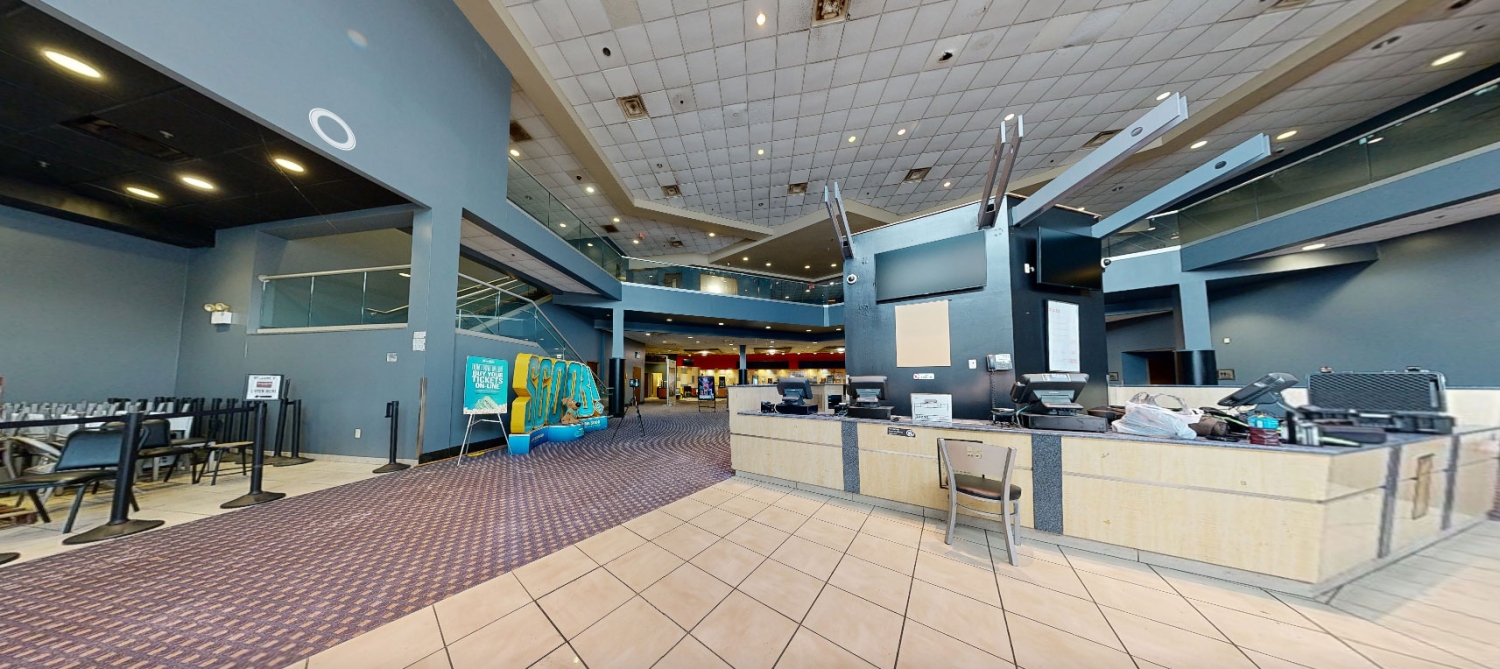
Because the building had been vacant since 2022, portions of the property exhibited conditions common to unoccupied commercial spaces. Lighting was limited in several areas, requiring our team to carefully plan scan locations and verification procedures. The property's location within an active shopping mall also required coordination with ownership and facility management. Access routes, loading areas, and work schedules had to be organized to ensure scanning activities could be completed efficiently while minimizing disruption to neighboring tenants and mall operations.
The large footprint of the theater further increased the complexity of the project. Maintaining proper registration across multiple theaters, long corridors, and expansive common areas required careful planning and quality control throughout the scanning process.
Creating a Comprehensive 3D Building Model
Following field collection, Scan Skunks processed the LiDAR data and converted the information into a highly accurate Building Information Modeling (BIM) environment.
The resulting 3D model provides architects, engineers, developers, and future tenants with a complete digital representation of the building. Rather than relying solely on traditional measurements or outdated drawings, stakeholders can visualize the facility and understand existing conditions before design work begins.
This digital foundation allows project teams to evaluate redevelopment concepts with confidence while reducing the risk of unexpected conditions during construction.
Delivering Detailed As-Built Documentation
In addition to the 3D model, Scan Skunks produced a comprehensive set of traditional drawing deliverables that can be utilized throughout the planning and design process.
2D Floor Plans
Accurate floor plans were created for the entire facility, documenting the existing layout of theaters, corridors, support spaces, and common areas. These plans provide a clear understanding of how the building is currently configured and serve as a starting point for future renovation concepts.
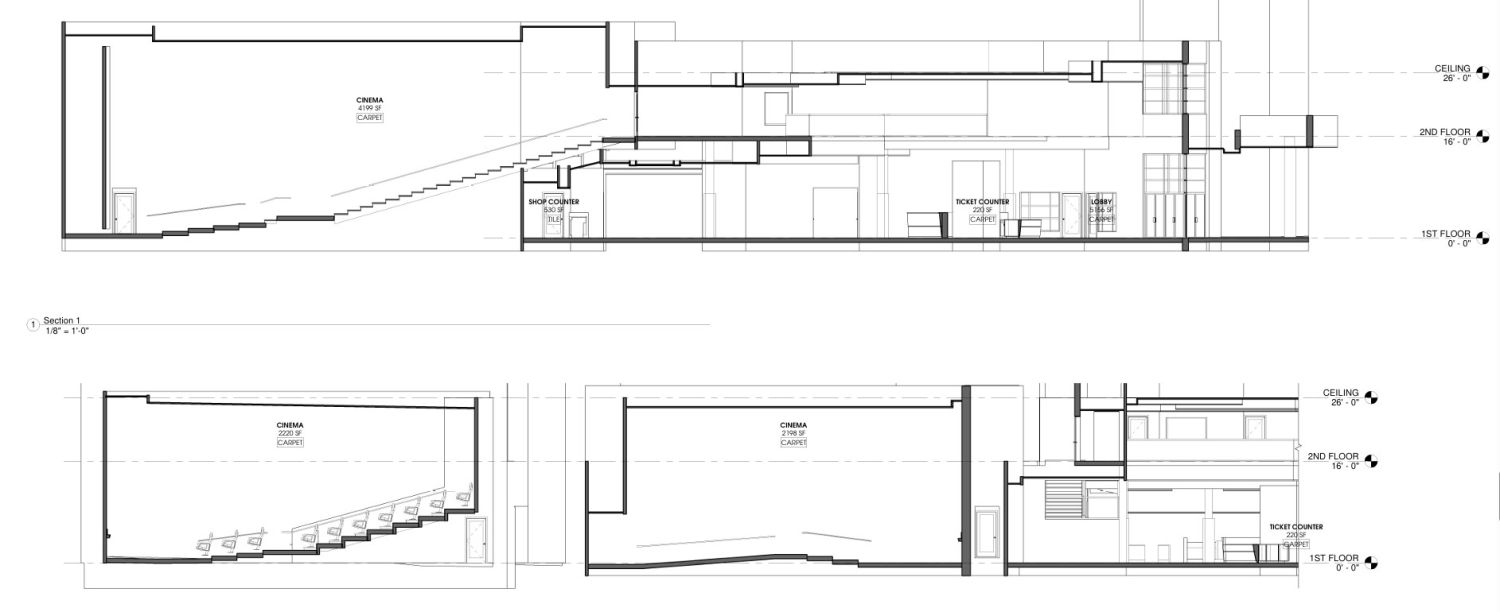
Building Sections
Sections provide valuable insight into vertical relationships throughout the structure. For a movie theater, where sloped floors and varying ceiling heights are common, sections become especially important for evaluating future design possibilities.
Exterior and Interior Elevations
Elevations help design teams understand wall configurations, architectural features, and existing conditions throughout the facility. These drawings support planning efforts and provide a visual reference for future modifications.
Reflected Ceiling Plans (RCPs)
One of the most valuable deliverables for redevelopment projects is a detailed reflected ceiling plan. Movie theaters often contain complex ceiling systems, lighting layouts, acoustic treatments, and mechanical components. By documenting these conditions accurately, future design teams can make informed decisions regarding renovation strategies and infrastructure upgrades.
Supporting Future Redevelopment Opportunities
Large vacant entertainment properties often represent significant redevelopment opportunities in growing metropolitan areas such as Atlanta. Whether the future use involves retail, office, entertainment, mixed-use development, educational facilities, or specialty commercial space, accurate existing conditions data remains essential.
The information provided by Scan Skunks allows architects, engineers, developers, and prospective tenants to evaluate the building with confidence. By combining high-density LiDAR scanning with BIM modeling and detailed as-built documentation, our team delivered the information necessary to support informed planning decisions.
For this Atlanta-area project, Scan Skunks successfully transformed a vacant 40,000-square-foot movie theater into a fully documented digital asset, providing stakeholders with the accurate building intelligence needed to move redevelopment efforts forward.