

LiDAR Scanning and As-Built Documentation for a Food Manufacturing Facility in Bryan, TX
Project Description
When industrial facilities prepare for equipment upgrades, process improvements, or facility renovations, accurate existing-condition documentation becomes critical. Scan Skunks recently completed a comprehensive LiDAR scanning project for a large food manufacturing facility in Bryan, Texas, helping the client establish a reliable foundation for future renovation planning and equipment coordination.
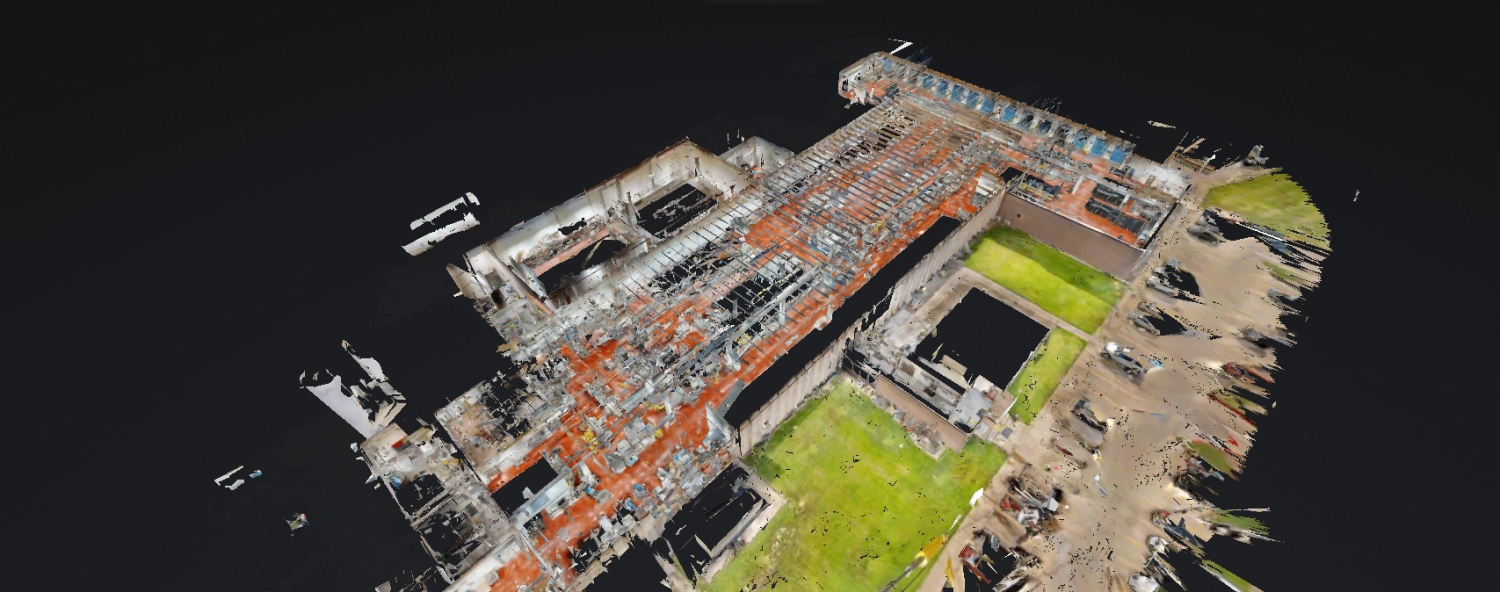
The project involved the capture of approximately 77,500 square feet of interior manufacturing space, along with exterior areas surrounding the facility. Conducted over a two-day period, the scanning effort focused on creating a highly accurate representation of the building floor plan and documenting the existing machinery footprints throughout the production environment. The resulting deliverables provide facility managers, engineers, architects, and contractors with dependable data that can be used for future design and construction decisions.
Supporting Equipment Renovations with Accurate Existing Conditions
Manufacturing facilities are constantly evolving. New production lines, upgraded machinery, workflow improvements, and safety enhancements often require modifications to the building layout. One of the most common challenges during renovation planning is working from outdated drawings that no longer reflect the current condition of the facility.
In this Bryan, TX food manufacturing plant, the client needed an accurate representation of the building and production areas before beginning future equipment renovation efforts. Existing documentation often fails to account for years of modifications, relocated machinery, utility changes, and facility expansions. Without reliable information, project teams can encounter scheduling delays, coordination issues, and costly field verification efforts.
By utilizing LiDAR scanning technology, Scan Skunks captured millions of measurement points throughout the facility, creating a precise digital representation of the building and equipment layout. This data provides a trusted reference for future planning efforts and eliminates much of the uncertainty associated with aging documentation.
Capturing a 77,500-Square-Foot Industrial Facility
Industrial manufacturing facilities present unique challenges when compared to commercial office buildings or residential properties. Production equipment, storage areas, structural elements, piping systems, and active work zones all create obstacles that must be carefully documented.
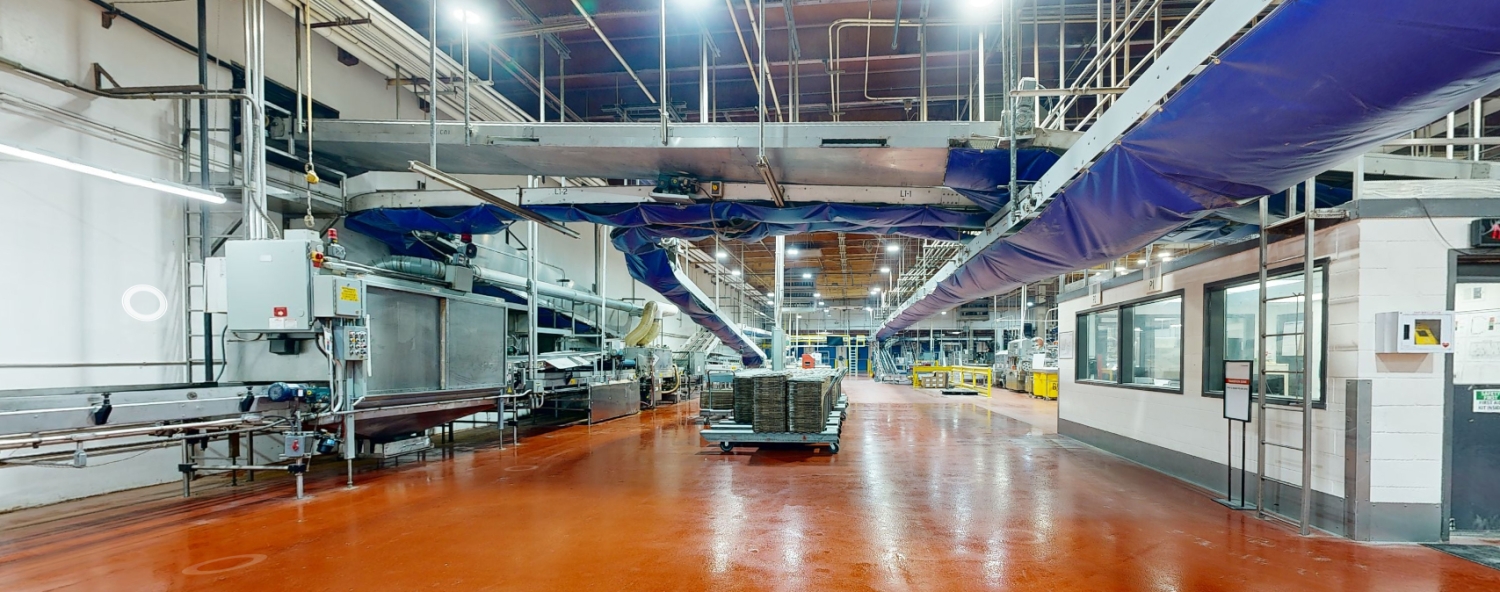
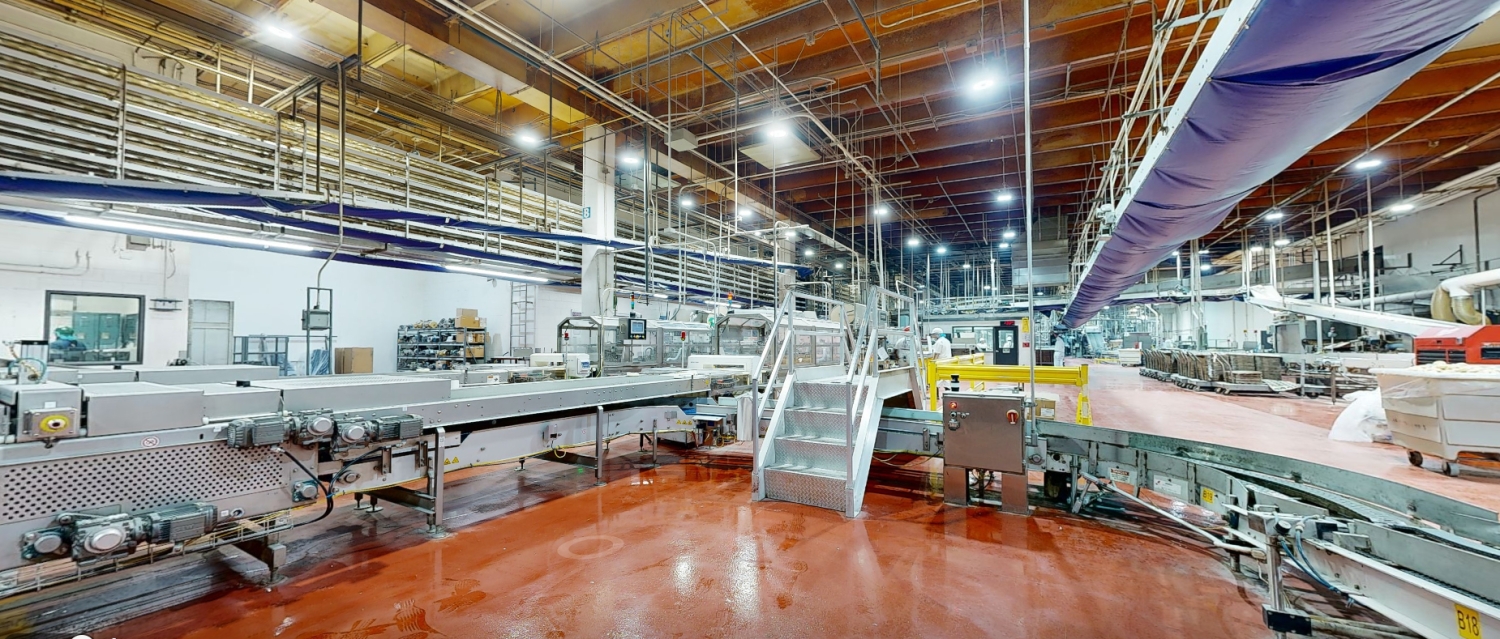
Over the course of two days, the Scan Skunks team systematically scanned the facility using advanced LiDAR technology. The scanning process captured interior production areas, support spaces, circulation routes, and exterior building conditions. Particular attention was paid to the location and footprint of existing machinery throughout the facility.
Accurate equipment mapping is often one of the most important components of a manufacturing renovation project. Engineers and design teams rely on these dimensions to determine clearances, plan equipment replacements, evaluate workflow improvements, and identify potential conflicts before construction begins.
The completed scan data now provides the client with a dependable baseline that accurately reflects the facility's current state.
Overcoming Industrial Facility Documentation Challenges
Many manufacturing facilities have undergone decades of modifications that may never have been fully documented. Equipment is moved, walls are altered, utilities are rerouted, and production requirements change over time. As a result, original construction drawings frequently become less useful as facilities age.
Logistics planning can become a significant hurdle when teams are forced to rely on outdated information. Renovation schedules can be impacted when unforeseen conditions are discovered during construction, resulting in change orders and project delays.
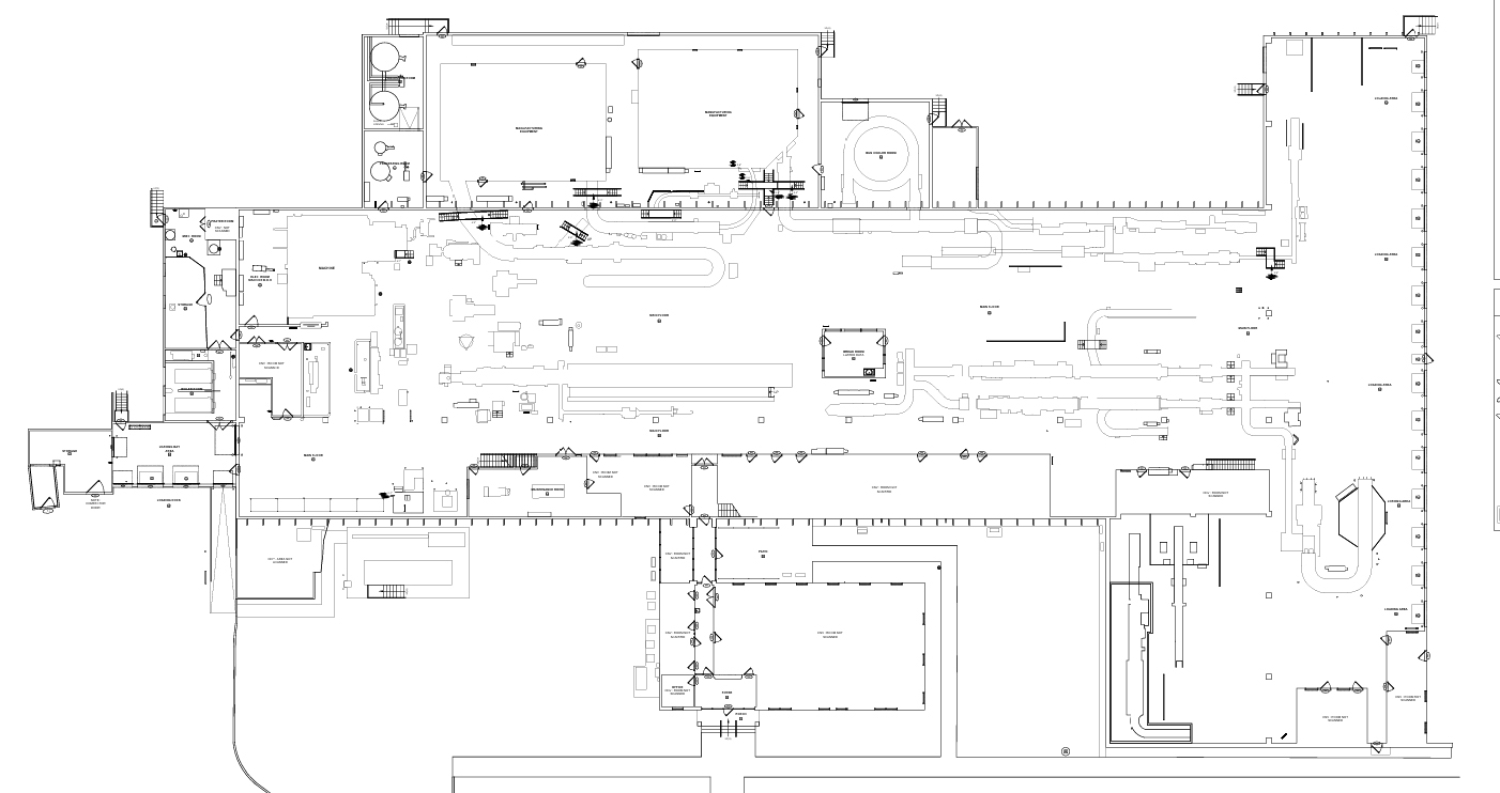
For this Bryan, Texas facility, accurate documentation was a key objective. By creating updated Bryan, TX as-built drawings based on LiDAR data, the project team now has confidence that future planning efforts can proceed using current and verified information.
This level of accuracy helps improve communication among stakeholders and reduces the need for repeated field visits during the design process.
Delivering Actionable As-Built Documentation
Upon completion of the scanning effort, Scan Skunks provided a comprehensive set of deliverables tailored to the client's immediate needs and future planning goals.
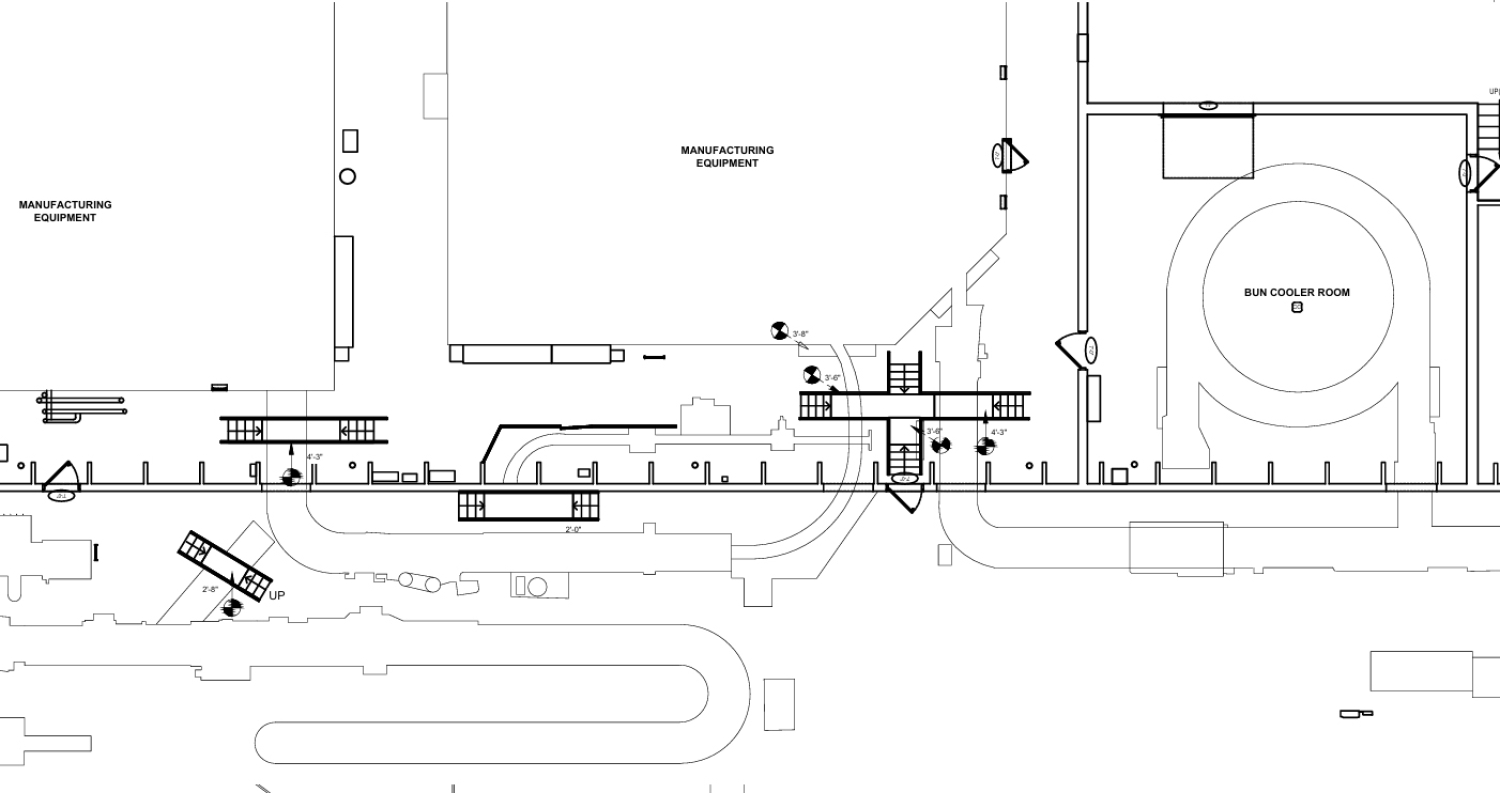
The primary deliverable included a detailed 2D CAD floor plan that accurately depicts the building layout and machinery locations throughout the facility. These drawings provide engineers, architects, equipment suppliers, and contractors with an accurate reference for future renovation phases.
In addition to the CAD documentation, Scan Skunks delivered a virtual tour of the facility. Virtual tours have become an increasingly valuable tool for project teams, particularly when multiple stakeholders are involved in planning and decision-making.
The virtual tour allows project participants to remotely review conditions, verify equipment locations, assess access routes, and gain a better understanding of the facility without requiring repeated site visits. This capability can improve project efficiency while helping reduce travel costs and scheduling challenges.
Preparing for Future Project Phases
The deliverables generated during this project represent an important first phase of the facility's long-term planning strategy. With accurate documentation now in place, the client has established a reliable foundation for potential future renovation efforts.
Many industrial facility owners utilize LiDAR scanning as an initial step before undertaking larger capital improvement projects. Accurate as-built information allows design teams to move into future phases with greater confidence, reducing risk and improving overall project coordination.
Should the client move forward with a second phase of work, the existing scan data and documentation can provide valuable support for engineering analysis, equipment coordination, construction planning, and facility optimization efforts.
Because the information has already been captured and documented, future project teams can begin their work from a highly accurate representation of the existing facility rather than spending valuable time recreating building conditions from scratch.
Why Food Manufacturing Facilities Benefit from LiDAR Scanning
Food manufacturing environments demand careful planning whenever modifications are made. Equipment clearances, production workflows, utility connections, safety requirements, and operational continuity all play important roles during renovation projects.
LiDAR scanning provides facility owners with accurate, measurable data that supports informed decision-making throughout the planning and design process. Whether the goal is equipment replacement, facility expansion, process optimization, or long-term capital planning, accurate as-built documentation helps reduce uncertainty and improve project outcomes.
For this Bryan, TX food manufacturing facility, Scan Skunks delivered the precise building documentation needed to support future renovations while providing valuable digital resources that can continue to benefit the facility for years to come.